





How to Double-Check a Completed Word Search Puzzle Game
Calling a word search or word find “done” feels great—until you spot one list entry you never marked. A quick double-check beats that last-second surprise. Treat verification as part of the solve: cross the word list, rescan the grid with discipline, and close with a count you trust.
Step 1: Review the Word List
Start with the list, not the board. Even when you are sure every answer is found, the list is the contract for what still needs a highlight on the grid.
List-First Checks
- Match each list word to exactly one marked path (or your app’s found state)
- Watch for similar spellings and words that share most of their letters
- Confirm overlaps are intentional—two words can share cells without sharing the same full path
Locking the list first tells you whether you are hunting a missing word or a duplicate mark before you spend time rescanning filler letters.
Step 2: Scan the Grid Methodically
After the list pass, walk the grid with a pattern that leaves no bands untouched. Gaps in coverage, not “invisible” words, cause most false finishes.
Scanning Habits That Work
- Move row by row, then column by column—or the reverse order you used while solving
- Include every orientation the puzzle rules allow, including reversals and diagonals
- Use a finger, stylus, or cursor to keep your eyes on one line at a time
A methodical word search puzzle grid review often surfaces one shy word that never stood out during the first enthusiastic sweep.
Step 3: Look for Partial Patterns
Not every miss is a whole word staring at you. Sometimes a path is half-highlighted, or filler letters hide a short answer tucked inside a cluster.
What to Re-Examine
- Straight letter runs that match a list entry but stop one cell short of your mark
- Cells shared by multiple found words—easy to assume “handled” when one word still lacks a full line
- Dense patches where short answers hide inside longer unrelated strings
Catching partial matches early prevents you from declaring victory while three letters of a four-letter word still sit unmarked.
Step 4: Verify with Different Directions
Words in word search puzzle games follow straight lines—but those lines can run in many orientations. If your first solve favored left-to-right rows, backward and diagonal paths on the same lines may never have gotten a honest pass.
Cross-Direction Recheck
- Re-read each row from the opposite end and each column from bottom to top
- Trace diagonals both ways where rules allow them
- Revisit “finished” corners after you shift your default reading direction
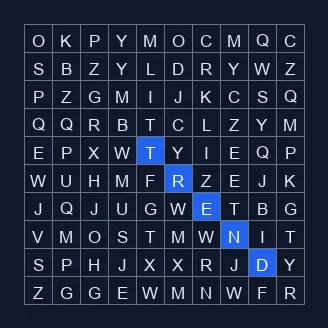
A final direction swap is cheap insurance: the highlighted example shows a straight-line word along a diagonal—exactly the kind of path players skip when they only scan in one habit.
This cross-direction pass is one of the highest-yield steps in any word find completion checklist.
Step 5: Take a Short Break and Revisit
Fatigue steals accuracy. A five-minute pause resets contrast sensitivity and patience—both matter when you are staring at similar letters.
Fresh-Eyes Routine
- Step away from the screen or printed page briefly
- Return with a deliberate “audit” mindset instead of hunt mode
- Re-open only the zones that felt crowded or confusing on the first pass
Many solvers report finding a last word within minutes of coming back, simply because overlap and reversals read differently on a second look.
Step 6: Count Your Matches
End with arithmetic. The list length and your found count should agree before you share or archive the puzzle.
Final Tally
- Every list word should map to one found state; none left blank
- Avoid counting the same physical highlight twice when words overlap
- Investigate any mismatch immediately instead of assuming a generator error
When totals match, you can close the word search puzzle game with confidence instead of lingering doubt.
These steps stack: list alignment, disciplined coverage, direction swaps, a short reset, and a strict count. Use them on timed boards, classroom sheets, or casual phone puzzles—the process is the same, and clean finishes become routine.
Frequently Asked Questions
How long should a double-check take?
On a typical list, a few focused minutes after the main solve is enough. Spend more time when several words remain or when the puzzle allows backward and diagonal paths you rarely use.
Should I double-check while I play or only at the end?
Light list cross-checks during play help, but the heavy grid rescan works best when most words are already found—otherwise you repeat full-board passes too often.
What if I still cannot find the last word?
Run one more pass limited to the orientations you dislike most, then isolate remaining list entries by rare letters. If counts still fail on a fair puzzle, recheck whether overlapping marks hid a path.
Is a second person reviewing my grid useful?
A fresh pair of eyes helps on paper puzzles. Alone, the break-and-rescan habit mimics that effect without needing a partner.
Are word search games the same as crosswords?
No. Crosswords use clues and blanks. Word search puzzles hide whole words along straight paths in a letter grid for you to find and mark.