





How Long Does It Take to Get Good at Word Search Games?
How quickly you improve at word search puzzles depends on the person. Some players feel a difference within a few sessions; others need several weeks of steady play. Progress has less to do with innate talent and more with how often and how thoughtfully you practice.
What “Getting Good” Really Means
Before guessing a timeline, decide what “good” means for you. Skill is not only finishing the list, but doing it with fewer misses and less wandering.
- Finding words faster without skipping obvious entries
- Recognizing letter patterns and word shapes at a glance
- Scanning the grid in a repeatable order instead of random hops
When those habits click, word find puzzles start to feel predictable rather than chaotic.
Beginner Stage: First Few Days
Most newcomers spend the first stage learning the rules and building a basic scan rhythm.
- Words can run in several straight-line directions on the grid
- Moving row by row or column by column beats staring at one corner
- Common prefixes, suffixes, and double letters become familiar anchors
Progress can feel slow here, but many players notice small wins after just a handful of puzzles.
Early Improvement: One to Two Weeks
With regular play, improvement often shows up within one to two weeks. Habits become more deliberate.
- Simple patterns and short words jump out sooner
- Less random eye movement; more structured passes over the grid
- Fewer missed words that sit in plain sight
At this point the puzzle usually feels lighter, not like a wall of letters.
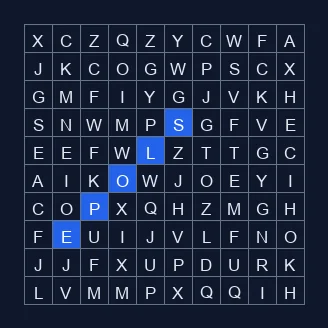
Diagonal paths are a common sticking point early on; steady practice makes them easier to spot without backtracking.
Intermediate Skill Level: One Month or More
After roughly a month of consistent practice, many players settle into a stable skill level.
- Diagonal and backward words are easier to track
- Focus holds better through longer grids
- Completing the list without hints becomes routine
That is often when you feel in control of the puzzle instead of fighting the grid.
Factors That Affect Learning Speed
Improvement rates differ. Several inputs shape how fast someone gets comfortable with word search games:
- How often you play
- Grid size, word count, and allowed directions
- Attention to detail and tolerance for distraction
- Prior experience with visual pattern games
Regular short sessions typically outperform occasional marathon runs.
Consistency Matters More Than Time
A useful rule: consistency beats total hours. Improvement comes from repetition that trains your eyes, not from one rare all-day binge.
- Ten to fifteen minutes daily can compound quickly
- Long gaps between sessions blunt pattern memory
- Repeating similar grid sizes builds automatic recognition
Even a brief daily word search can produce steady gains over weeks.
A Realistic Expectation
For most people, becoming “good” is gradual, not instant. Basic competence may appear within days; stronger, confident performance usually needs weeks of regular play.
With patience and steady practice, word search puzzles get faster, cleaner, and more enjoyable as your scanning habits mature. When you want variety, try themed word lists or a custom grid sized to match where you are in that timeline.