





How to Develop a Personal Word Search Game Strategy
A word search or word find grid looks simple until you realize you are solving the same puzzle with a different habit every time. A personal strategy is not a rigid formula—it is a repeatable playbook you refine: how you preview the board, which words you chase first, how you sweep the letters, and how you track what is already found. On straight-line list puzzles over letter grids (not crossword clue work), that playbook saves time, cuts missed words, and makes hard boards feel predictable instead of chaotic.
Understand the Layout
Before you lock onto the list, skim the whole grid once. That overview costs a few seconds and often repays itself later.
- Notice dense clusters of letters versus open bands—tight zones slow sweeps
- Spot long straight runs that might host list entries without forcing a diagonal hunt first
- Get a sense of grid size so you can scale your scan plan before you commit
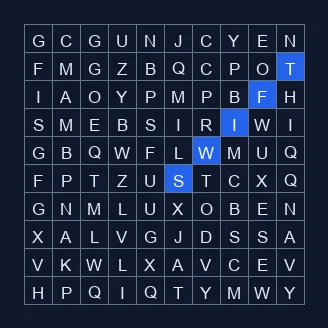
One highlighted straight path across the letters is a reminder to finish one orientation or zone before you scatter attention. Personal strategy starts with coverage you can name, not random peeks.
A quick layout read tells you whether row passes, column passes, or section blocks should lead this session.
Prioritize Easy-to-Find Words
Momentum matters. Clearing approachable entries early thins visual noise and builds confidence for harder paths.
- Distinctive letters (Q, Z, J) or rare pairs often jump out of filler
- Short words read as tight shapes and free cells quickly
- Clean horizontal or vertical lines are easier to verify than diagonal bands when you are still warming up
Bag a few quick wins, then tackle longer or trickier list items on a calmer grid.
Develop a Scanning Pattern
Random hops feel productive for a minute, then leave whole stripes unread. Choose a default sweep you can repeat puzzle after puzzle.
- Row-by-row or column-by-column passes when you want full coverage
- Section blocks—one quadrant at a time—when the board is large or dense
- Direction rotation when you stall: finish horizontals, then verticals, then diagonals if the rules allow
A named pattern reduces double-checking the same cells and keeps your eyes moving with purpose across word search puzzle games.
Use Word Lists Effectively
The list is part of your strategy, not just a scorecard.
- Pre-read the list before the first sweep to flag unusual spellings or shared prefixes
- Mental grouping by theme or letter shape narrows where you look next
- Park stubborn entries after an honest short try and return after other finds clear clutter
Organized list use means fewer blind sweeps and less frustration on dense word find grids.
Track Progress Methodically
Found words should leave a clear trail on both the list and the board.
- Cross off or tick list entries as soon as you confirm a path
- Mark paths consistently on the grid so you do not re-solve cleared letters
- Keep a steady pace—rushing the last third is when short or backward words get skipped
Methodical tracking prevents duplicates and makes the remaining count honest.
Adjust Your Approach Over Time
No single method wins every grid. Strategy grows when you review what actually worked.
- Test alternate scan orders on similar-sized puzzles and note finish time and misses
- Match technique to difficulty—bigger boards may need smaller section goals
- Note weak spots (backward paths, short words, diagonals) and drill those in short sessions
A flexible personal strategy turns word search games into a skill you can improve on purpose, not luck you hope repeats.
Frequently Asked Questions
Should my strategy always start with the same scan direction?
Use a default, not a law. Most solvers favor horizontal row passes or one corner-to-corner block order, then rotate when the list or grid shape calls for it. Repeating the same opening every time is fine; refusing to switch when you are stuck is not.
Is it better to find long words or short words first?
Short and distinctive words first usually pays off—they clear noise fast. Long words can anchor neighbors along the same line, so grabbing one early helps on themed lists. Your personal order can blend both: quick wins, then one anchor, then the rest.
How do I know when to change my scanning pattern mid-puzzle?
Change when coverage stalls: you have re-read a band twice with no new finds, or only one orientation remains for half the list. Switch zone, direction, or list chunk instead of grinding the same tired cells.
Can I use different strategies for timed versus untimed puzzles?
Yes. Untimed play favors full coverage and patient rechecks. Timed modes reward quick wins and anchor words first, with a saved orientation pass at the end for anything left. The same habits apply; only pacing and when you cut losses differ.
Steady observation, a repeatable sweep, and honest list tracking add up to a personal word search puzzle game strategy you can trust. Tune it after each session, and even challenging grids become a known workout instead of a scramble.