





Seasonal Word Search Puzzle Games
Seasonal word search and word find puzzles tie a straight-line letter grid to vocabulary from holidays, weather shifts, harvests, and school-year rhythms. The mechanics stay the same as any themed word search puzzle game: trace whole listed spellings along allowed straight paths. What changes is the word list—winter cold, spring growth, summer travel, fall colors—and how familiar those entries feel when you scan.
Connecting Words with Seasons
Each season brings its own imagery and lexicon. A winter-themed board might hide snowflake, frost, or mitten, while a summer list favors beach, picnic, and sunshine. Autumn sets often mix harvest, maple, and gourd; spring boards lean toward bloom, rain, and nest.
Those cues anchor scanning: you read the list once, guess likely spellings, then sweep rows and columns with season-shaped expectations. The theme does not change grid rules—it shapes which words you hunt and how quickly recognition kicks in.
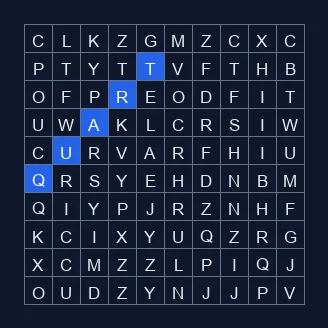
A diagonal highlight shows the usual word find flow on a seasonal board: one straight spelling (“QUART” here as in a calendar quarter), marked on the list, then back to scanning. Rotating spring, summer, fall, and winter lists keeps the same straight-path rules while the vocabulary tracks the year.
Enhancing Engagement Through Festivity
Seasonal word search puzzle games often line up with celebrations—Halloween, Christmas, Easter, Lunar New Year, Diwali, and many regional observances. Festive lists boost engagement because solvers already hear those words in decor, songs, and party talk.
Holiday-themed entries encourage attentive scanning: spotting pumpkin in October or carol in December feels like a small cultural match, not just another random string in the grid. Designers lean on that mood with symbols, foods, greetings, and ritual objects alongside plain season words.
Adjusting Difficulty Based on Seasonal Vocabulary
Difficulty tracks the list and settings, not the calendar label alone. Common holiday staples—tree, candy, egg—are usually quick wins. Obscure seasonal terms such as solstice, vernal, or equinox demand sharper focus and better spelling memory.
Designers tune level by mixing familiar festive words with a few niche entries, enabling more directions (diagonals, reversals), or tightening grid density. A “hard” autumn puzzle might keep the same 12×12 frame but add vintage farming terms or astronomical labels players rarely see in daily reading.
Educational Benefits of Seasonal Themes
Beyond entertainment, seasonal word search games offer light learning value. Players stretch seasonal vocabulary, rehearse spellings, and practice pattern spotting while the theme supplies context.
Younger solvers pick up holiday names and weather words; classrooms use spring or harvest lists before science units; families use festive boards as quiet introductions to other traditions. None of that requires different mechanics—only a word list aligned with what you want to reinforce.
Creating a Routine with Seasonal Puzzles
Rotating seasonal themes through the year keeps word find practice from feeling stale. A fresh list each quarter or holiday gives solvers something to anticipate: beach vocabulary after winter breaks, back-to-school sets in late summer, then the autumn spike many players enjoy around Halloween and year-end celebrations.
Short sessions fit real life: a ten-minute board during a rainy spring afternoon, a printable handout at a harvest fair, or a quick phone round while travel delays stack up. Seasonal rotation trains steady scanning habits while the vocabulary moves with the calendar.
Frequently Asked Questions
What counts as a seasonal word search puzzle game?
Any word search or word find where listed entries center on a season, weather pattern, harvest cycle, or time-of-year celebration. Grid rules stay standard: find each whole word along straight allowed paths in the letter field.
How are seasonal puzzles different from holiday-only themes?
Holiday lists zoom in on one celebration; seasonal lists can span whole quarters—snow gear and short days for winter, or migration and thaw for spring—sometimes blending several holidays that share the same months.
Are seasonal word searches easier than generic puzzles?
They often feel easier when words match widespread exposure—familiar autumn or December vocabulary plays fast on the same grid size. Niche astronomical or agricultural terms can flip that and feel harder.
Do seasonal themes change the rules compared to crosswords?
No. These are not crossword fill-ins. You still match a provided list to hidden straight-line spellings; only the topical vocabulary and mood change.
Can designers make a seasonal puzzle harder without enlarging the grid?
Yes—add less common seasonal jargon, allow more directions, increase word overlap, or shorten the list so placements compete for space. Rare terms raise challenge faster than extra filler letters alone.
Are seasonal word searches only for kids?
No. Adult solvers use them for calm focus, party icebreakers, and nostalgia around the calendar. Difficulty scales with vocabulary choice and grid settings, not age labels on the cover.