





Using Word Search Puzzle Games for Vocabulary Learning
Word search and word find puzzles look like casual play—a letter grid, a word list, straight paths through the noise—but that format also fits vocabulary work. Learners see target spellings again and again while hunting, without the pressure of producing speech or parsing grammar. This is list-and-line search, not crossword-style clues, yet the repeated letters still reinforce recognition and spelling.
Used on their own, word search puzzle games will not build full fluency. As a regular supplement—especially with themed lists—they give low-stress exposure that pairs well with reading, class sets, and other drills.
How Word Search Puzzle Games Support Vocabulary Learning
Vocabulary is more than definitions on a card. You need to recognize a word quickly in text and notice how its letters are arranged. Word search practice trains both at once.
Repeated Exposure to Words
Each puzzle cycles the same list through your eyes:
- Spellings become familiar through multiple sightings
- Recognition strengthens when the same word hides in different spots
- Topic words stick more naturally than from a single isolated read
Beginners and intermediate learners benefit most when lists stay short and theme-bound.
Visual Learning Enhancement
The grid is inherently visual.
- Words may run in different directions, depending on puzzle rules
- Letter shapes link to list entries you previewed beforehand
- Visual memory gets another anchor besides audio or translation
Visual learners often retain vocabulary faster when study includes spatial formats like this.
Building Context-Based Vocabulary
Themed word search puzzle games group related terms the way real topics do—meals with kitchen words, sports with equipment, school units with classroom objects.
Themed Learning Examples
- Animals and nature
- Food and daily life
- School and study vocabulary
- Sports and hobbies
Clusters make it easier to guess neighbors, notice collocations, and remember how words hang together—not as random alphabet rows.
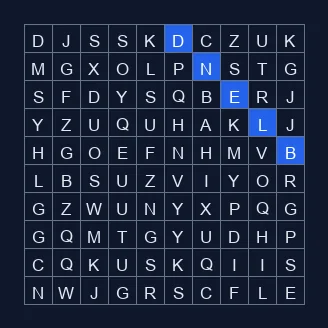
A diagonal highlight shows how one list word (BLEND here) reads as a single trace through filler letters—the same recognition loop vocabulary grids aim for: list, search, confirm spelling.
Improving Word Recognition Speed
Regular word search sessions train how fast known words pop out of dense text.
- Familiar entries register sooner during row or column sweeps
- Eyes learn efficient paths across noisy letter fields
- Common prefixes and suffixes become easier to spot on the board
Faster recognition supports reading fluency; it does not replace comprehension work, but it cuts friction when you move from puzzle to page.
Strengthening Spelling Awareness
Spelling belongs in vocabulary growth, and word search rehearses it by design—you cannot mark a word until the path letters match the list.
- Learners compare candidate paths letter by letter
- Near-miss shapes force careful distinction between similar spellings
- Small differences (one swapped vowel, doubled consonants) stand out in the grid
That attention carries over to writing, where the same confusable pairs often slip through unchecked.
Learning Strategies for Better Results
A few habits turn casual solves into deliberate vocabulary practice.
Focus on Word Lists First
Before scanning, read the list aloud or silently:
- Know which spellings you are hunting
- Note tricky lengths or double letters upfront
- Connect each item to meaning if definitions are provided
Break the Grid into Sections
Systematic coverage beats random hopping.
- Work row by row, column by column, or corner to corner
- Finish one band before jumping elsewhere
- Recheck any slice you skipped on the first pass
Say Words Mentally While Searching
Quietly repeating a target word while tracing its letters can bind sound, spelling, and sense in one pass.
Combining Word Search Puzzle Games with Other Learning Methods
Word search works best inside a wider routine.
- Pair puzzles with graded reading that reuses the same theme words
- Follow grid time with flashcards for words you missed or hesitated on
- Use classroom or self-study lists that match a current unit
The puzzle layer adds repetition; other activities still supply context, production, and feedback.
Suitable Learner Levels
Grid size, list length, and direction rules can scale without changing the core mechanic.
Beginners
- Compact boards with high-frequency words
- Short spellings and forgiving layouts
- Untimed sessions with adult or teacher support as needed
Intermediate Learners
- Larger grids and richer themed lists
- More overlap and mixed directions per puzzle rules
- Occasional timed rounds for confidence, not stress
Advanced Learners
- Specialized or less common vocabulary sets
- Dense fills and subtle placements
- Faster pacing when recognition is already strong
What Word Search Does Not Replace
Keep expectations clear so vocabulary study stays balanced.
- Recognition and orthography are the strengths; spontaneous speaking is not
- Grammar, collocations in full sentences, and discourse skills need other practice
- Definitions and usage nuance still require reading, instruction, or conversation
Treat word search as a reinforcement tool—strong for seeing words often, narrow for producing language on demand.
Why Word Search Games Work for Vocabulary Learning
Simplicity plus repetition, wrapped in a game-like hunt, keeps learners engaged long enough for forms to sink in. No elaborate setup, no oral risk on every turn—just list, scan, find, repeat.
When themed lists match what you are studying elsewhere, word search puzzle games stay useful across ages: children meet classroom words, teens review subject jargon, adults refresh travel or work lexicon in short sessions.
Frequently Asked Questions
Can word search puzzles teach vocabulary by themselves?
No. They excel at repeated spelling exposure and quick recognition. Meaning depth, grammar, and speaking still need reading, instruction, dialogue, and varied practice beyond the grid.
Are themed word search games good for ESL or classroom vocabulary?
Yes, when lists match level and unit themes. Grouped words, low anxiety, and visible wins make them strong warm-ups, homework fillers, or review if you pair them with richer input in class.
Should learners read the word list before or after solving?
Before, for deliberate study: preview meanings if provided, then search. After works for a light review pass, but pre-read lists usually improve retention on unfamiliar items.
How is word search different from using flashcards alone?
Flashcards target recall of form and meaning in isolation. Word search adds scanning, letter order proof in noise, and optional direction rules—complementary, not a substitute for either tool.
How often should vocabulary learners use word search?
Short, regular bursts often beat rare marathons. A few themed grids per week that mirror your current word bank can reinforce spelling without crowding out reading or conversation homework.